
Indie Horror Games
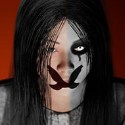
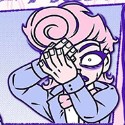
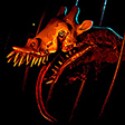

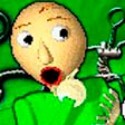
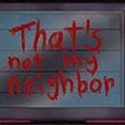
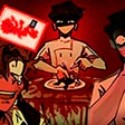
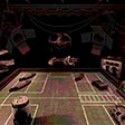
Indie Horror Games come from small teams and solo creators who answer to no big publisher and can try strange ideas. This shelf gathers horror titles with unusual premises, distinct art styles and mechanics you rarely see elsewhere, from zookeeping nightmares to anomaly checks at the front door.
What Small Teams Do Differently
Large studios need their projects to appeal to millions of players, which often means familiar settings and safe mechanics. Indie Horror Games have no such pressure. A single developer can build a whole story around a children's DVD, a supermarket shift or a game of roulette, and see if it works.
This independence leads to surprising results. Some titles look rough but carry an idea so sharp that players talk about it for months. Others take a familiar genre and twist one detail until it becomes unsettling.
The result is a shelf where almost every entry feels different from the one next to it, which is the main reason people browse Indie Horror Games in the first place.
Styles You Will See Here
- Retro looks that copy early 3D, VHS tapes or old DVDs to create unease.
- Bodycam and found-footage views, like the zookeeper perspective in Zoochosis.
- Rule-based puzzles, where following instructions is the real challenge.
- Cozy setups gone wrong, such as working at a café or stocking shelves.
- Hand-drawn or pixel art that makes the horror feel personal and strange.
Many Indie Horror Games mix several of these, which is part of their charm.
Small Ideas With Big Impact
The best Indie Horror Games are built around one mechanic that carries everything. In Suzy Says! it is a single phrase: you only move when the host says her name. In That's Not My Neighbor it is checking visitors at the door. In Amnesia: The Bunker it is keeping a generator running while something listens for you.
A strong central idea means you understand the rules within minutes, and the rest of the experience explores what can go wrong with them. That clarity is why many indie titles feel more memorable than longer, busier ones.
It also makes them easy to talk about. Fans can describe the hook in one sentence, which helps word of mouth.
Where These Games Come From
Many Indie Horror Games start as jam entries, small experiments or passion projects released on storefronts like itch.io. Some grow into full commercial releases, others stay short and personal. Suzy Says! itself is an itch.io release from a small studio, as described on our MOONBIT games page.
Because of this, prices are often low and some creators let players choose what to pay. Updates come directly from the developer, and comment sections are often where bugs get reported and fixed.
This close link between creators and players is one of the best parts of the indie scene.
Atmosphere on a Small Budget
Without large art teams, Indie Horror Games rely on tricks that cost little but work well. Limited lighting hides simple models, low-resolution filters make familiar objects look wrong, and sound design does much of the heavy lifting. A creaking door and a long silence can be more effective than a detailed monster.
Small spaces help too. Many Indie Horror Games take place in a single house, shop or facility, which lets the creator polish every corner. Players learn the space quickly, and that familiarity becomes part of the fear once something changes.
These limits often lead to the most creative moments in the genre, because each game in the collection has to find its own way to unsettle you without spectacle. That is why browsing Indie Horror Games feels like opening a box of surprises.
Strengths and Weak Spots
Indie Horror Games tend to be bold, focused and full of personality. They are also more likely to have rough edges: a bug in a late chapter, a control that does not always register or a translation with a few odd lines.
Most players accept these trade-offs because the ideas are worth it. Still, it is good to read recent comments before starting, especially for new releases. For Suzy Says!, our troubleshooting guide collects the issues players have reported.
Patches often arrive quickly, since small teams can fix and upload a new build in a day.
How to Explore the Shelf
- Start with a premise that sounds strange to you; indie titles reward curiosity.
- Check the length first, since many are short enough for one evening.
- Play with sound on, as small teams often lean on audio to build fear.
- Look for multiple endings, which are common in this space.
- Leave feedback if you enjoyed it; small creators read their comments.
Why Indie Horror Matters
Many ideas that later became popular across the genre started in small projects: found-footage cameras, mascot villains, anomaly checks and short episodic stories. Indie Horror Games are where these experiments happen first.
For players, that means this shelf is the best place to find something you have not seen before. Every title here has its own page on SuzySaysGame, so browse a few, pick the premise that unsettles you most and see where the game takes you.