

That's Not My Neighbor
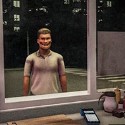
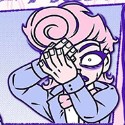
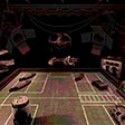
In That's Not My Neighbor you start as Francis Mosses, a doorman in a 1955 apartment building, with a rulebook, a phone and a window to the street, which matters because one wrong door opening can let a doppelganger inside. Visitors arrive one by one, claiming to be residents. Your job is to decide who is real and who is a copy.
| Genre | Anomaly, observation horror |
|---|---|
| Perspective | Doorman's booth |
| Setting | Apartment building, 1955 |
| Protagonist | Francis Mosses |
| Agency | Dopple Detection Department |
Checking Visitors in That's Not My Neighbor
Each visitor comes with documents: an ID, an entry request and sometimes other papers. You compare them with your resident list and look for mismatches in names, dates or photos.
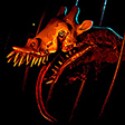
Doppelgangers often look almost right. Their teeth, eyes or skin may be slightly wrong, and they may say strange things. You can call a resident to check whether they are actually home.
When you are sure someone is a copy, you call the Dopple Detection Department. If you let a copy in, the consequences show up later.
Signs That Give Copies Away
Players learn to look for small details. Mismatched dates on documents are common. Strange teeth, odd eyes or unusual clothing are classic visual clues.
Some doppelgangers try to talk their way in. They might seem nervous or overly friendly. Listening to their words is as important as reading their papers.
As days pass, the number of rules grows. Later days feel like a test of memory and attention, with more documents to check and less time to check them. Keeping notes on recent visitors becomes a real strategy at this point in the game.
Endings and Nightmare Mode in That's Not My Neighbor
The game has several endings based on how well you do your job. Letting too many copies in leads to grim outcomes, while careful work earns better ones.
Nightmare Mode raises the difficulty for experienced players. Copies become harder to spot, and the pressure is much higher.
Some players feel the visual clues are too subtle in later days. Others enjoy the challenge of spotting them.
Who Enjoys the Doorman Job
Puzzle fans who like comparing details will love the loop. Each visitor is a small mystery, and solving it in a few seconds feels like detective work under pressure.
Horror fans who prefer slow dread over chases also enjoy it, since the fear comes from mistakes rather than monsters chasing you. The game never needs to show you a creature to make you nervous.
If you like this kind of observation, No, I'm Not a Human takes the door-check idea into a darker, more personal story. Both games share the same tension of a knock you are not sure you should answer.
How do you spot a doppelganger?
Compare documents with the resident list, check for strange teeth or eyes and call the resident if unsure. Mismatched dates are a common giveaway.
What happens if you let a copy in?
The consequences appear later, often in a worse ending. Letting several copies in leads to the darkest outcomes.
Is there a harder mode?
Yes. Nightmare Mode makes copies harder to spot and adds pressure for experienced players.
That's Not My Neighbor turns a doorman's booth into a test of attention, and every call to the Dopple Detection Department carries the fear of getting it wrong. Francis Mosses has one job, and the copies at the window are counting on him to fail.