Mascot Horror Games
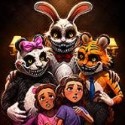

Mascot Horror Games take something made to comfort children, like a cartoon host, a plush toy or a theme park character, and turn it into the reason you are afraid. This shelf collects titles where a friendly face is the danger, from smiling TV hosts to toy factory monsters and abandoned park mascots.
What Makes a Character a Mascot Villain
A mascot is designed to be recognized instantly. It has a simple silhouette, bright colors, a catchphrase and a big smile. Mascot Horror Games keep all of that and change one detail: the smile no longer means safety. The design that once sold lunchboxes now watches you from a dark corridor.
This works because players bring their own memories into the scene. Most of us grew up with a show host who asked us to point at the screen or a toy that sat in the corner of the bedroom. When that figure starts giving orders or following you through a building, the fear feels personal rather than generic.
The villain is usually not hidden. You see it on posters, on boxes and in old footage long before it moves, which builds dread through repetition.
Common Settings on This Shelf
Mascot Horror Games return to a handful of places again and again. Each setting gives the mascot a reason to exist and a reason to be abandoned.
- Toy factories, where production lines and warehouses hide experiments, as in Poppy Playtime.
- Theme parks left empty for years, such as the rides and stages of Indigo Park.
- Family homes, where a DVD, a VHS tape or a plush rabbit is enough to start the nightmare.
- Pizzerias and entertainment centers with animatronic bands that should have been switched off long ago, explored up close in Five Nights at Freddy's: Help Wanted 2.
- Zoos and kindergartens, where cute animals and cheerful classrooms hide something worse, as in Garten of Banban.
The setting is part of the story. Signs, posters and leftover merchandise tell you what the place used to be before anything attacks.
Hosts, Tapes and Screens
One branch of Mascot Horror Games is built around media instead of buildings. A host on an old television asks you to play along, and every instruction pulls you deeper. Amanda the Adventurer uses old tapes found in an attic, and the house in Suzy Says! uses an interactive DVD with a color mat.
These games are slower and more psychological. There is often no chase at all for the first half, only a voice that grows less friendly with each request. The tension comes from the question of whether to obey.
The screen itself often becomes the final threat, which is why endings on this shelf so often involve televisions, tapes or discs.
Chases, Puzzles and Hiding
The other branch is more physical. You explore a large location, solve puzzles to open new areas and run when the mascot finds you. Tools like the GrabPack in Poppy Playtime or the Critter Cuff in Indigo Park give you a way to interact with the environment.
Chase sequences are the signature moment. A giant plush or a broken animatronic follows you through narrow corridors, and the route only becomes clear on the second or third attempt. Players who enjoy stealth will find a lot of overlap with our Hide and Seek Games shelf.
Puzzles are usually simple: find a key, power a door, match colors. They exist to give you a reason to stay in a scary place a little longer.
How to Pick Your Next One
- Choose story or action first. Host-and-tape titles are about atmosphere, factory and park titles are about chases.
- Check the length. Some Mascot Horror Games are chapters of a longer series, others are single short stories.
- Look at who the mascot is. A toy, a TV host and an animatronic all create very different moods.
- Read a guide if you get stuck. Many of these titles hide the solution in a poster or a note on the wall.
If you came from the Suzy Says! walkthrough, start with the host-based picks, since they share the same slow build.
Sound, Music and the Jingle Problem
Audio carries a lot of weight in Mascot Horror Games. Many mascots come with a theme song, a jingle or a cheerful greeting, and hearing it in an empty building is often scarier than any monster. When the music skips or slows down, players know something has changed before they see anything.
Voice acting matters just as much. A host who speaks in a soft, friendly tone while asking for something terrible creates a contrast that stays with you. This is the main reason so many Mascot Horror Games use a narrator or a guide character who talks to you the whole time.
If you play with headphones, you will notice small details: a toy squeak behind a wall, a tape hiss before a message or footsteps that stop when you stop. Good Mascot Horror Games use these cues to warn you, and learning them is part of every game in this collection.
Why the Genre Keeps Growing
Mascot Horror Games are easy to recognize and easy to share. A single image of a smiling character in a dark hallway tells you what the whole experience is about, which is why these titles spread so fast through videos and fan art.
They also leave room for theories. Most entries hide their backstory in tapes, notes and drawings, and fans spend months connecting the pieces. Our Suzy Says! story guide is an example of how much a small detail, like a figure in a fridge drawing, can change the reading of the plot.
Finally, Mascot Horror Games work for many skill levels. You do not need fast reflexes to enjoy most of them, only patience and a willingness to keep walking toward the thing that is smiling at you.
Every game on this page has its own guide page on SuzySaysGame, so you can read about the mascot, the setting and the main threat before you start. Pick a game that fits your mood tonight, and if it turns out to be too much, the short picks in other shelves are always one click away.