





Fears to Fathom
In Fears to Fathom you start each episode as an ordinary person in an ordinary place, which matters because nothing on screen warns you what kind of night it will be. The series retells scary experiences in a found-footage style, with a narrator describing the events while you live through them. The first episode, Home Alone, puts you in the role of a teenager left alone at home for the night.
| Genre | Episodic psychological horror |
|---|---|
| Perspective | First person |
| First episode | Home Alone |
| Other episodes | Norwood Hitchhike, Carson House, Ironbark Lookout, Woodbury Getaway |
| Style | Retro, found footage, narrated |
Home Alone and the Teenage Night
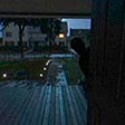
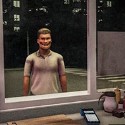
In Home Alone, your parents are away and you are looking after the house. You do small chores, check your phone and answer messages. The routine is so normal that the first strange sign, like a stranger outside, feels like a cold shock.
This episode is the closest match to Suzy Says!, which also leaves a teen home alone with something dangerous. Both use a familiar house to make the player feel exposed.
The episode is short, often under an hour, but the tension builds steadily. Many players say the second half is among the scariest moments in the series.
The Episodic Structure of Fears to Fathom
Each episode is a separate story with its own setting and narrator. Norwood Hitchhike follows a trip by car, Carson House takes place in a rented home, Ironbark Lookout puts you in a fire tower in the woods and Woodbury Getaway moves to a motel.
Because episodes stand alone, you can play them in any order. Each one is short enough for one evening, which suits players who like compact horror.
Some fans prefer the earlier, simpler episodes. Others think the series improved with each release.
Realism Instead of Monsters
There are no ghosts or creatures in most episodes. The threat is usually a person, which makes the game feel grounded. That realism is the reason many players find it more unsettling than supernatural horror.
The narration adds weight. Hearing a voice describe what happened next, as if remembering it years later, makes every choice feel like it already had consequences.
The retro visual style, with low-resolution textures and old-fashioned interfaces, adds to the found-footage feel. It looks like a tape someone found in a box, which suits stories told years after they happened. Even small objects like an old phone or a television remote add to that sense of time.
Choices and Small Details in Fears to Fathom
Small choices, like locking a door or answering a call, can change how an episode plays out. Paying attention to details pays off.
Players who rush often miss clues that explain the ending. Taking your time makes each episode much more effective, and reading every message on the phone in Home Alone adds a lot of context to what happens later in the game.
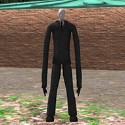
If you like short stories with a teen in danger, Slender: The Eight Pages and Dead Plate are also quick evening picks. Both can be finished in one sitting, just like a single episode here.
Fears to Fathom builds horror from ordinary nights and real-sounding stories, and the Home Alone episode remains the best place to start for anyone who knows how quiet a house can feel when you are the only one inside. Play it with the lights off and the narrator's calm voice will do the rest.