
Short Horror Games
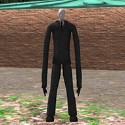
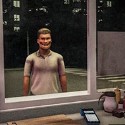
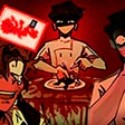
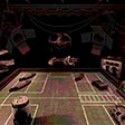
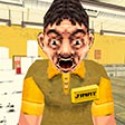

Short Horror Games deliver a complete scare in one sitting. Most of them take between fifteen minutes and a couple of hours, have one clear idea and end before that idea wears out. This shelf collects compact horror titles that you can start after dinner and finish before bed, if you still want to sleep afterwards.
Why Short Works So Well for Horror
Fear is hard to maintain. In a long campaign, the player gets used to the monster, learns the systems and starts to feel safe. Short Horror Games avoid that problem by ending while the tension is still high.
A short runtime also forces focus. There is no room for crafting menus or side quests, so every scene has to push the main idea forward. Suzy Says!, which runs about 17 to 20 minutes, is a good example: one rule, one house and a steady build toward the television. The Suzy Says! walkthrough shows how tightly each chapter follows the last.
Finally, short titles are easy to replay. Many hide extra endings or secrets that only make sense once you know how the story goes.
Types of Compact Scares
- Single-location stories set in one house, shop or restaurant, such as Dead Plate.
- Tension games built around one risky choice repeated many times, like Buckshot Roulette.
- Clicker horror, where an innocent action slowly becomes cruel, as in Bloodmoney.
- Classic collect-and-escape runs, like Slender: The Eight Pages.
- Episodic real-life scares, such as Fears to Fathom, where each episode is a separate night.
The variety is wide, but all of these Short Horror Games share one rule: they respect your time.
Endings and Replay Value
Because the main story is quick, many Short Horror Games add multiple endings. A choice you barely noticed, like opening a door or obeying an order, can change the final scene. Players often finish once, read about the other routes and play again the same evening.
Secret endings are common too. In Suzy Says! the disc ending requires a second run and a different approach, which is explained on our endings page. Similar hidden routes appear across the shelf.
This structure makes short titles feel bigger than their runtime. A thirty-minute story with four endings can easily fill two hours.
What to Expect From the First Minutes
Short Horror Games rarely waste time on tutorials. The first minutes usually introduce the setting, the main rule and a hint that something is off. You learn by doing, and the first scare often arrives sooner than in longer titles.
That speed can feel sharp, so it helps to go in with the right mindset. Read the controls once, turn on subtitles if voices are important and expect the story to move quickly.
The trade-off is depth. You will not get a large world or a long skill tree, but you will get a single, focused idea carried out with care.
Short Horror Games and Streaming
Compact runtimes make these titles perfect for videos and streams. A creator can show the whole story, every ending included, in a single upload, and viewers can see what kind of scare it offers before they try it. Many Short Horror Games became popular this way, spreading through clips of their best jumpscare or strangest rule.
That visibility has a downside: it is easy to spoil yourself. If a title catches your eye, try the first ten minutes before watching anyone else play it. Short Horror Games depend on surprise more than longer ones, so a spoiler costs more.
Once you have finished, though, watching other runs is a great way to find endings and secrets you missed, and every game on this shelf has plenty of them to compare.
Good Habits for Short Sessions
- Play in one sitting. Stopping halfway breaks the tension the game is building.
- Use headphones, since many short titles rely on sound cues.
- Pay attention to small objects and notes; they often lead to secret endings.
- Do not look up a guide until after your first ending.
- Replay with a different choice at the moment that felt most important.
Short but Not Simple
Some players dismiss Short Horror Games as demos or experiments. In practice, many of them are complete stories with careful writing, strong art direction and clever mechanics that would not survive in a longer format. A single strong idea, like a game show where the prize is your life, works best when it does not have to stretch over twenty hours.
They are also a good entry point for people new to the genre. A short title lets you test how much fear you enjoy without committing to a long campaign.
And for experienced players, Short Horror Games are where many new ideas first appear before larger studios pick them up.
Finding the Right One
If you want story, pick a single-location title with several endings. If you want pure tension, try one of the risk-based games where every turn could be your last. If you prefer exploration, a collect-and-escape classic is the safest start.
Every game on this shelf has its own guide on SuzySaysGame, with the main idea, the threats and the length explained, so you can choose the right scare for the time you have tonight.